
European Digital Identity Wallets to Be Rolled Out by 2026
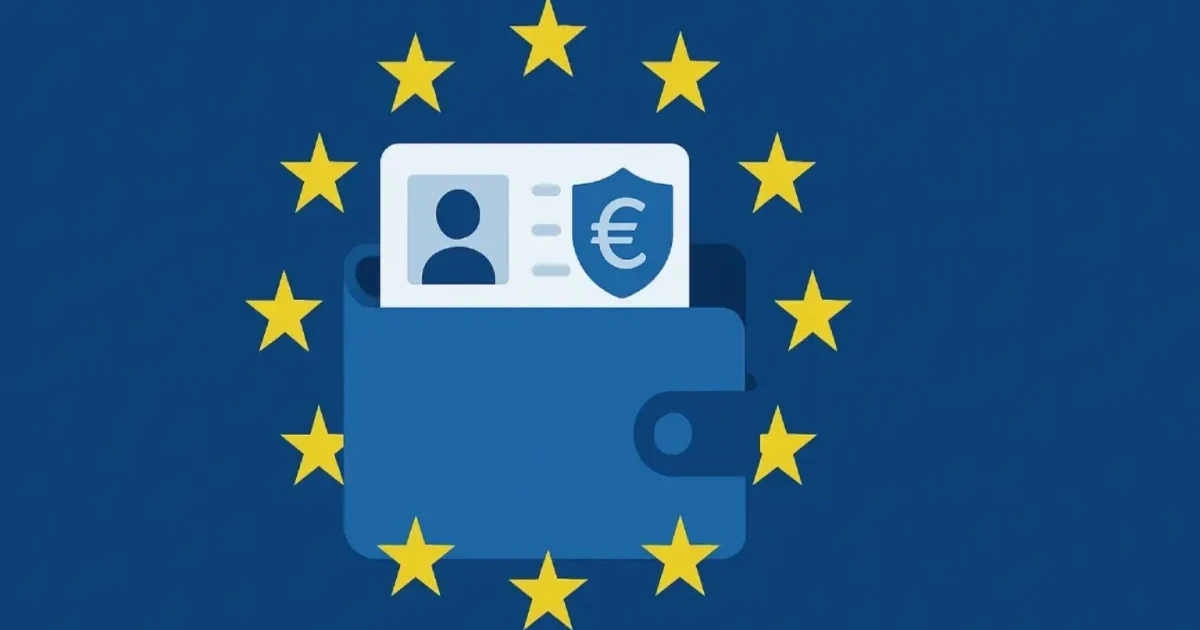
Image Source: © 2026 Krish Capital Pty. Ltd.
Highlights
- Member States must provide citizens and businesses with EU Digital Identity Wallets by the end of 2026.
- The framework might enhances interoperability between national identity systems and expands use to private sector services.
- Digital wallets will enable secure access to online services and greater user control over personal data.
The European Digital Identity (EUDI) Regulation intends to establish a comprehensive framework for a universal, trustworthy, and secure European digital identity wallet. The regulation aims to transform digital identification across the European Union by enhancing interoperability, extending access to private services, and ensuring that citizens have full control over their personal data.
From eIDAS to the New Digital Identity Framework
The EUDI Regulation builds upon the 2014 Regulation on electronic identification and trust services (eIDAS). Under the earlier framework, Member States could voluntarily notify national electronic identification schemes, which others were then required to recognise. However, there was no obligation for Member States to create national eIDs, and interoperability was achieved through an overarching system that often faced technical limitations. This hindered consistent implementation and restricted expansion into private digital services.
The new regulation aims at addressing these challenges by strengthening the existing framework, ensuring technical and legal harmonisation, and broadening its application. Member States will be mandated to offer digital identity wallets that connect national digital identities with additional verified attributes such as driving licences, diplomas, and bank accounts. These wallets may be issued by public authorities or authorised private entities.
Secure, Interoperable, and User-Controlled Digital Wallets
The EU Digital Identity Wallets will build on existing national systems, ensuring mutual recognition across Member States. This approach is expected to promote a harmonised technical architecture, enabling both public and private sector service providers to accept digital wallets for authentication.
Aligned with EU cybersecurity legislation, the framework intends to introduce strict compliance requirements to enhance confidence in digital identity solutions. The regulation will also allows public authorities to issue electronic attestations, facilitating the recognition of credentials in electronic form while maintaining data privacy standards.
Benefits for Citizens, Governments, and Service Providers
The regulation is expected to benefit multiple stakeholders.
- Citizens and businesses will gain full control over the data they share, with transparency ensured through open-source licensing and secure data management. The wallets will simplify access to online public and private services and allow free creation of qualified e-signatures for non-professional use.
- Governments will benefit from streamlined access to digital services, improved fraud prevention, and enhanced data protection.
- Service providers will experience lower authentication costs, improved security, and reduced reliance on external identity platforms.
At a broader level, society stands to gain through increased online transactions, innovation-driven business opportunities, and more efficient allocation of resources contributing to economic growth.
Implementation Timeline
Regulation (EU) 2024/1183, which establishes the European Digital Identity Framework, has entered into force. Member States are required to make EU Digital Identity Wallets available to all citizens by the end of 2026, in accordance with the Regulation and its implementing provisions.
The introduction of the European Digital Identity Wallet will mark a significant advancement in Europe’s digital transformation. By ensuring secure, transparent, and interoperable digital identities, the framework is exeocted to lay the foundation for a unified digital ecosystem across the European Union.
Disclaimer
Investing in crypto assets carries significant risk, including potential loss of capital, extreme price volatility, limited regulatory protections, and rapidly changing market conditions. Crypto assets may not be suitable for all investors. Kovus Fintech Solutions Pvt Ltd does not promote, endorse, or suggest the purchase of any cryptocurrency or digital asset mentioned in this article. This article is for general information purposes only and does not consider your personal objectives, financial situation, or needs. Nothing contained herein should be treated as financial advice, investment advice, or a recommendation to buy, sell, or deal in any financial product or crypto asset.
Cryptocurrencies, virtual digital assets, and related tokens are not recognised as legal tender in India. This article may include sponsored content. Sponsored material has been provided or supported by the sponsor; however, all information remains general in nature and should not be interpreted as an endorsement.