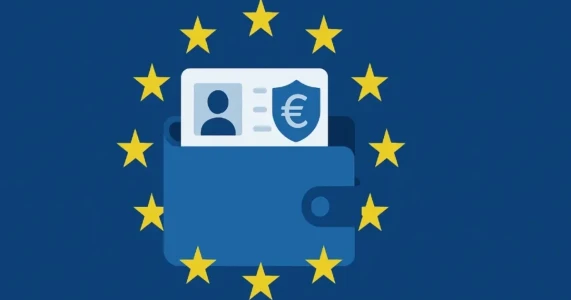
Crypto Wallets in 2026: The Shift Toward Smart, Secure, and Seamless Self-Custody

Image Source: © 2026 Krish Capital Pty. Ltd.
Highlights
- Smart wallets and account abstraction are removing seed phrase friction for mainstream users.
- Wallets are evolving into all-in-one hubs for payments, DeFi, NFTs, and digital identity.
- Institutional-grade security and MPC technology are redefining self-custody standards.
- Cross-chain compatibility is becoming a core feature in next-generation wallet infrastructure.
Crypto wallets are no longer just tools for storing digital assets — they have become the primary gateway to the decentralised internet. In 2026, wallets are evolving into full-service platforms that connect users to decentralised finance, NFTs, tokenised real-world assets, on-chain identity, and blockchain-based payments.
This shift is being driven by rapid improvements in user experience and security. Modern wallets are designed to function more like fintech super apps, allowing users to swap assets, stake tokens, access dApps, and make global payments without leaving a single interface.
As adoption expands, the wallet is increasingly seen as the core infrastructure layer for Web3.
The Rise of Smart Wallets and Account Abstraction
One of the most significant developments in the wallet ecosystem is the adoption of account abstraction. This innovation allows wallets to operate more like programmable smart accounts rather than simple key-controlled addresses.
For users, this means:
- No need to manually store seed phrases
- Social and multi-device recovery options
- Gas fee sponsorship
- Automated transactions and spending limits
On networks such as Ethereum, account abstraction is enabling developers to build wallets that feel similar to traditional mobile banking apps while maintaining self-custody.
This is widely viewed as a major step toward onboarding the next wave of mainstream users.
MPC and Institutional-Grade Security
Security remains the defining feature of any wallet, and Multi-Party Computation (MPC) is emerging as a leading solution.
Unlike traditional wallets that rely on a single private key, MPC wallets split key control across multiple parties or devices. This approach:
- Eliminates single points of failure
- Reduces the risk of hacks and internal breaches
- Enables secure recovery mechanisms
Institutional investors, fintech platforms, and payment providers are increasingly adopting MPC-based custody to manage large digital asset holdings while maintaining operational flexibility.
Cross-Chain Access Becomes Standard
As the digital asset ecosystem expands across multiple blockchains, users are demanding seamless cross-chain functionality.
Next-generation wallets now support:
- Multi-chain asset management
- Cross-chain swaps
- Unified portfolio tracking
This allows users to interact with DeFi protocols, NFT platforms, and gaming ecosystems across networks such as Solana and Polygon without switching between multiple applications.
The result is a smoother and more connected user experience.
Wallets as the Core of Crypto Payments
Wallet-driven payments are becoming a major growth area. With stablecoins gaining global traction, users are increasingly using wallets for:
- Merchant checkout
- Peer-to-peer transfers
- Cross-border remittances
Integration with payment networks and fintech apps is making crypto transactions nearly invisible to end users, while still running on blockchain rails in the background.
This trend is particularly strong in regions with high mobile-first financial adoption, where wallets are serving as an alternative to traditional banking infrastructure.
Digital Identity and the Future of Ownership
Crypto wallets are also emerging as the foundation for decentralised digital identity.
In this model, a wallet can hold:
- Verifiable credentials
- Tokenised memberships
- Access rights to digital platforms
This transforms the wallet into a universal login for Web3 — one that users fully control.
Such identity systems are expected to play a key role in areas ranging from gaming and social platforms to financial services and tokenised real-world assets.
Challenges Ahead
Despite rapid progress, several hurdles remain:
- User education around self-custody
- Regulatory clarity for wallet providers
- Balancing compliance with decentralisation
- Protection against phishing and social engineering attacks
Solving these challenges will be critical for long-term adoption.
The Road Ahead
Crypto wallets are becoming the operating system of the decentralised economy. As smart account functionality, embedded finance, and cross-chain connectivity continue to mature, wallets will move far beyond simple asset storage.
They will serve as the primary interface for managing value, identity, and access in a blockchain-powered world — putting users, rather than platforms, in control of their digital lives.
Disclaimer
Investing in crypto assets carries significant risk, including potential loss of capital, extreme price volatility, limited regulatory protections, and rapidly changing market conditions. Crypto assets may not be suitable for all investors. Kovus Fintech Solutions Pvt Ltd does not promote, endorse, or suggest the purchase of any cryptocurrency or digital asset mentioned in this article. This article is for general information purposes only and does not consider your personal objectives, financial situation, or needs. Nothing contained herein should be treated as financial advice, investment advice, or a recommendation to buy, sell, or deal in any financial product or crypto asset.
Cryptocurrencies, virtual digital assets, and related tokens are not recognised as legal tender in India. This article may include sponsored content. Sponsored material has been provided or supported by the sponsor; however, all information remains general in nature and should not be interpreted as an endorsement.